Experience-Based Learning That Actually Works
Why do most customer service training programs fail to create lasting change? Because reading about difficult conversations is fundamentally different from having them. Our approach puts your team in real scenarios where they practice, fail safely, receive feedback, and improve.
What Happens When Theory Meets Reality?
Your team sits through a presentation about de-escalation techniques. They nod along, take notes, maybe even discuss hypothetical scenarios. Then a customer starts yelling, and everything they learned disappears under pressure.
Knowledge Doesn't Equal Skill
Understanding communication principles intellectually differs entirely from applying them in tense moments. When adrenaline rises and a customer becomes aggressive, theoretical knowledge often becomes inaccessible. Skills require practice under realistic conditions to become automatic responses.
You Can't See Yourself
Most people have no idea how they come across during difficult interactions. Your tone, body language, facial expressions, and word choices all communicate messages you might not intend. Without seeing yourself from the outside, recognizing these patterns becomes nearly impossible.
Generic Training Misses Individual Needs
Every person brings different strengths and challenges to customer interactions. One team member might struggle with assertiveness while another needs to soften their approach. Mass training that treats everyone identically wastes time on skills people already have while missing areas where they need support.
How Do We Build Real Skills?
We create a training environment where your team can practice difficult interactions safely, see themselves objectively, and receive coaching tailored to their specific needs.
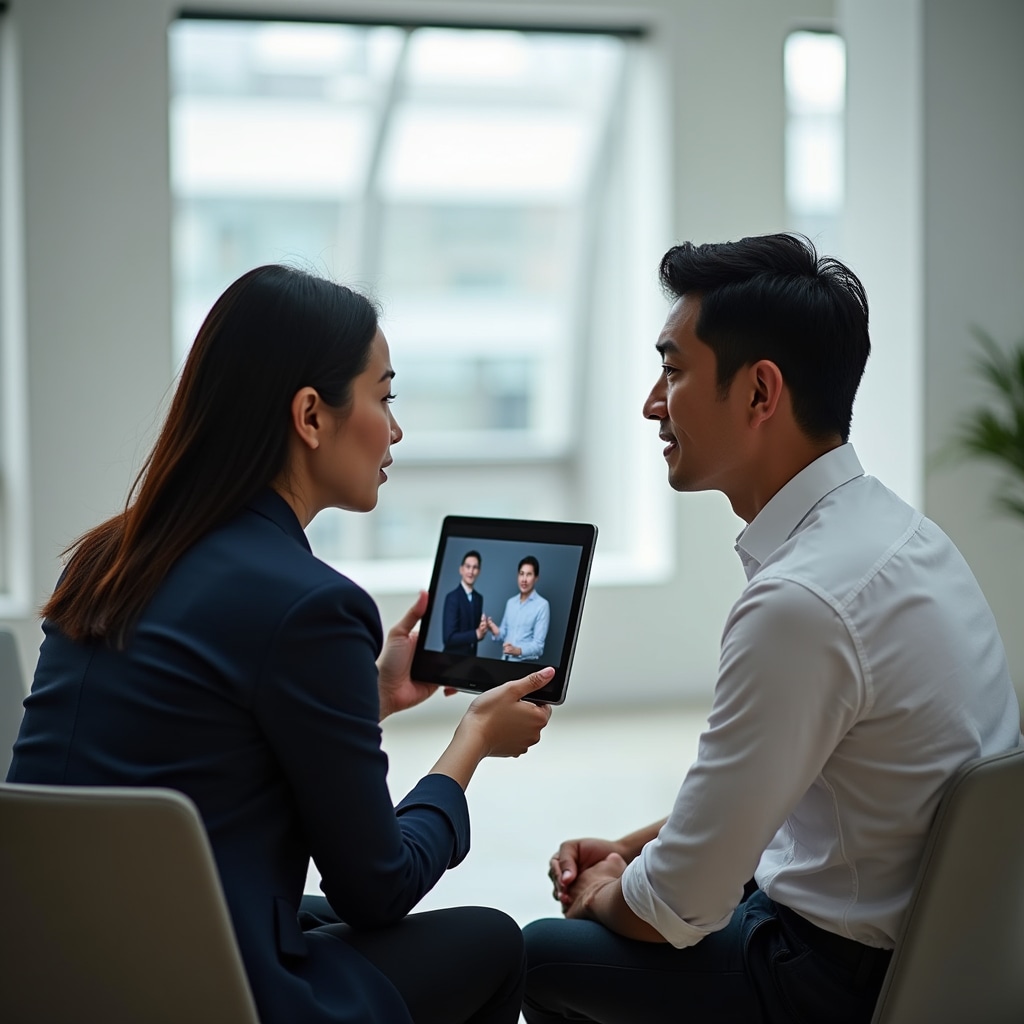
Realistic Role-Playing Scenarios
Participants engage with trained facilitators who portray challenging customers based on real situations from your industry. These aren't scripted performances—they're dynamic interactions that respond to how participants handle them, creating genuine learning pressure.
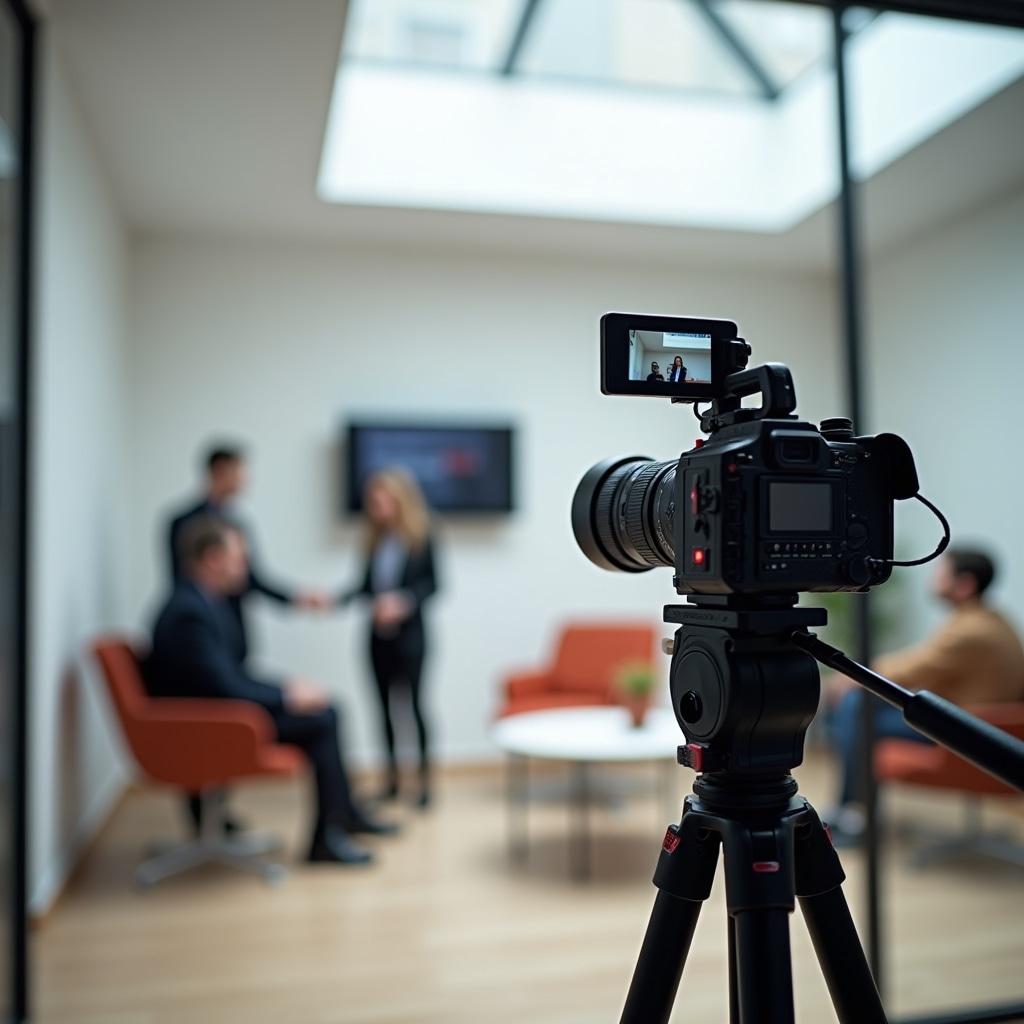
Professional Video Recording
Every interaction is filmed from multiple angles, capturing not just words but body language, facial expressions, and overall presence. This footage becomes the foundation for meaningful self-reflection and targeted improvement.

Structured Feedback Sessions
Participants watch their recordings together in a supportive environment. Facilitators guide discussion about what worked, what didn't, and why. Colleagues share observations and alternative approaches. This collective learning multiplies the value of each scenario.

Individual Coaching Plans
Each participant receives personalized feedback identifying their specific strengths and development areas. Rather than generic advice, coaching focuses on the actual behaviors and patterns visible in their recorded interactions, creating clear, actionable improvement paths.
What Skills Do Participants Develop?
Our workshops focus on practical techniques that address the most common and challenging customer service situations.
De-escalation Techniques
Learn to lower emotional temperature through vocal tone control, strategic pausing, acknowledging feelings without accepting blame, and guiding conversations from complaint to resolution.
Active Listening
Practice listening to understand rather than listening to respond. Develop skills in reflecting back customer concerns, asking clarifying questions, and demonstrating genuine comprehension.
Assertive Communication
Build confidence in stating positions clearly, saying no when necessary, setting appropriate boundaries, and maintaining professionalism under pressure without becoming defensive.
Flexibility vs. Firmness
Develop judgment about when to accommodate customer requests and when to hold firm on policies. Learn to distinguish between good customer service and being manipulated or taken advantage of.
Emotional Regulation
Practice maintaining composure when customers trigger frustration, anger, or anxiety. Recognize personal emotional responses and develop techniques to stay professional regardless of customer behavior.
Problem-Solving Under Pressure
Train the ability to think clearly during tense interactions, identify creative solutions within policy constraints, and communicate those solutions in ways customers can accept.
How Does a Training Session Flow?
Each workshop follows a carefully designed progression that maximizes learning while maintaining psychological safety.
Foundation Setting
We establish ground rules for respectful feedback, explain the learning objectives, and create psychological safety. Participants understand this is a practice environment where mistakes are expected and valuable.
Skill Introduction
Brief instruction on specific techniques relevant to the scenarios participants will practice. This provides a framework without overwhelming people with theory before they've experienced the challenges firsthand.
Scenario Practice
Participants take turns engaging with challenging customer scenarios while being filmed. Others observe, learning from watching colleagues navigate difficult interactions. The scenarios increase in complexity as participants build confidence.
Video Review
The group watches recordings together, with facilitators guiding constructive analysis. Participants identify their own strengths and areas for improvement before receiving feedback from instructors and peers.
Skill Refinement
Based on what the video reveals, participants practice specific techniques to address their challenges. This might mean trying the same scenario again with a different approach or working on particular communication elements.
Action Planning
Each participant identifies concrete behaviors to practice in their actual work environment. These specific, observable actions create accountability and ensure training translates into workplace improvement.
See How Practical Training Transforms Teams
Traditional training tells your team what to do. Our approach lets them practice doing it, see themselves doing it, and receive personalized coaching to do it better. The difference in outcomes speaks for itself.
Workshops can be scheduled at your location or ours, adapted to your industry's specific challenges, and scaled from small team training to organization-wide programs.
Ready to Get Started?
Contact us to discuss how our training methodology can address your team's specific needs.
Schedule Consultation